
秉持 “Exploring Language Through Preparation and Performance”这一教学理念,国际教育学院的外籍教师Eric Emborsky致力于构建一个以学生为中心、激发批判性思维并增强表达自信的英语学习环境。外教口语课跳出了传统单向讲授的英语教学模式,全程以学生为核心,通过协作准备、互动角色扮演、创意故事分享等沉浸式环节,帮学生卸下“怕说错”的心理负担,在轻松包容的氛围里大胆尝试表达,最终养成自然、自信的英语口语交流习惯,找到属于自己的表达节奏与声音。现在,就让我们一同走进Eric那充满魅力的课堂,感受其中蕴含的无限可能吧。
About Eric Emborsky



Eric Emborsky is from the United States. He earned his Bachelor’s degree from Central Michigan University and Master’s degree from East China Normal University in Shanghai.
With a focus on English speaking and communication, his teaching emphasizes helping students become confident, natural, and expressive speakers. Lessons are designed immersively, like collaborative preparation, interactive role-play and creative story sharing, and boldly try to express themselves in a relaxed and inclusive atmosphere, so as to finally develop a natural and confident English communication habit. Eric’s classes aim to create a supportive and engaging environment where every learner can develop the confidence to share their ideas and communicate with clarity.

This semester, our classroom has focused on helping students develop natural, confident communication in English through collaborative preparation, interactive role-play, and creative storytelling. By moving away from traditional lecture-style teaching and placing students at the center of every lesson, we have created an environment where they feel comfortable experimenting with language, making mistakes, and finding their own voice.
Prep First, Perform Later:
Unlocking Fluency and Peer Support
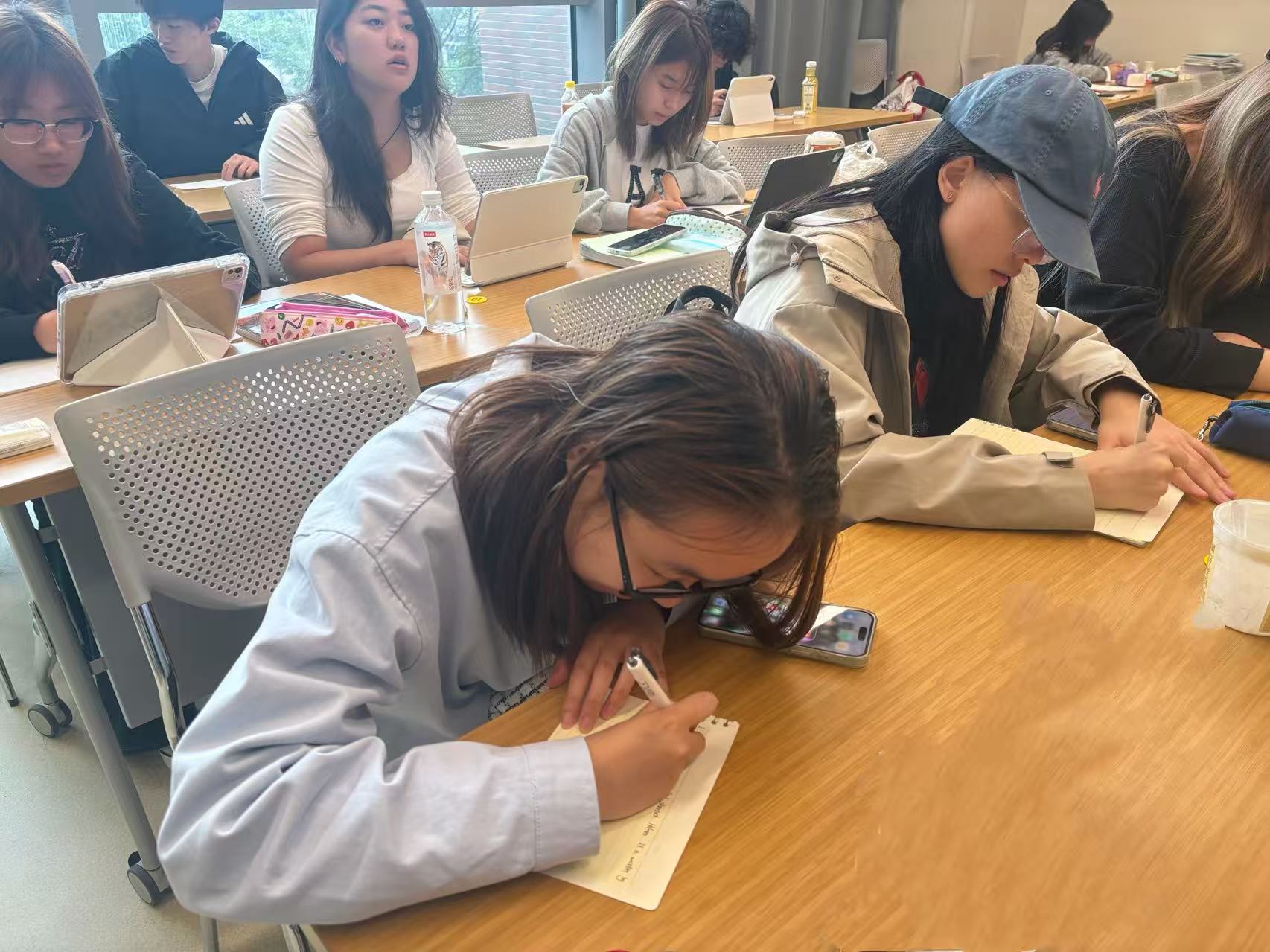
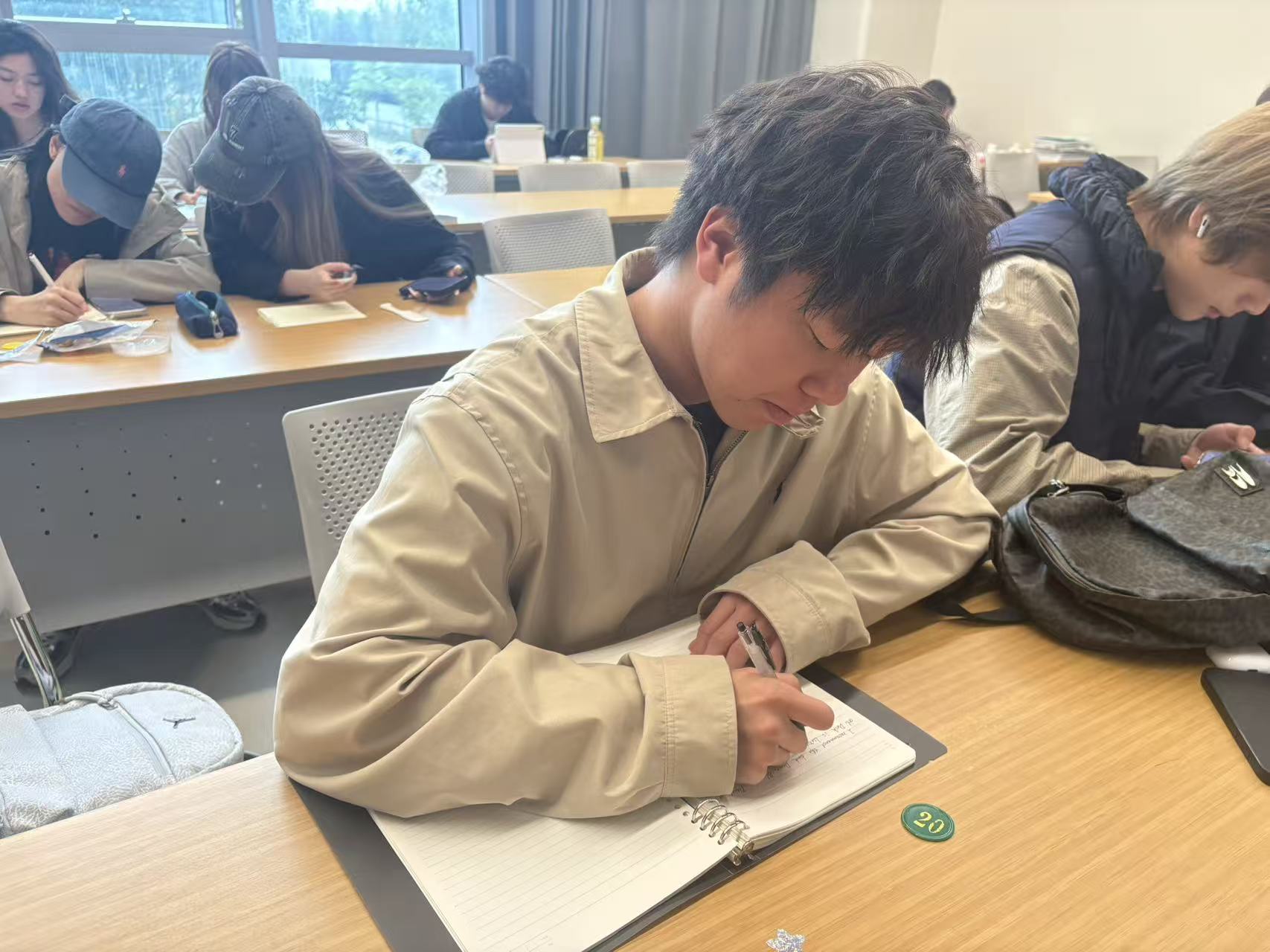
Building on the active role-play work of previous semesters, this term placed particular emphasis on the value of preparation time. Rather than asking students to perform immediately, we gave them dedicated time to plan their scenarios, choose their language, and rehearse with their partners before presenting to the class. This shift made a noticeable difference. Students who had time to prepare spoke with greater fluency, used more varied vocabulary, and showed considerably more confidence when they stood up to perform. The preparation period also allowed them to support one another, negotiate word choices, and correct each other's language before ever facing the room.
Act Out Your Day:
Master Emotion, Tone, and Unspoken Communication
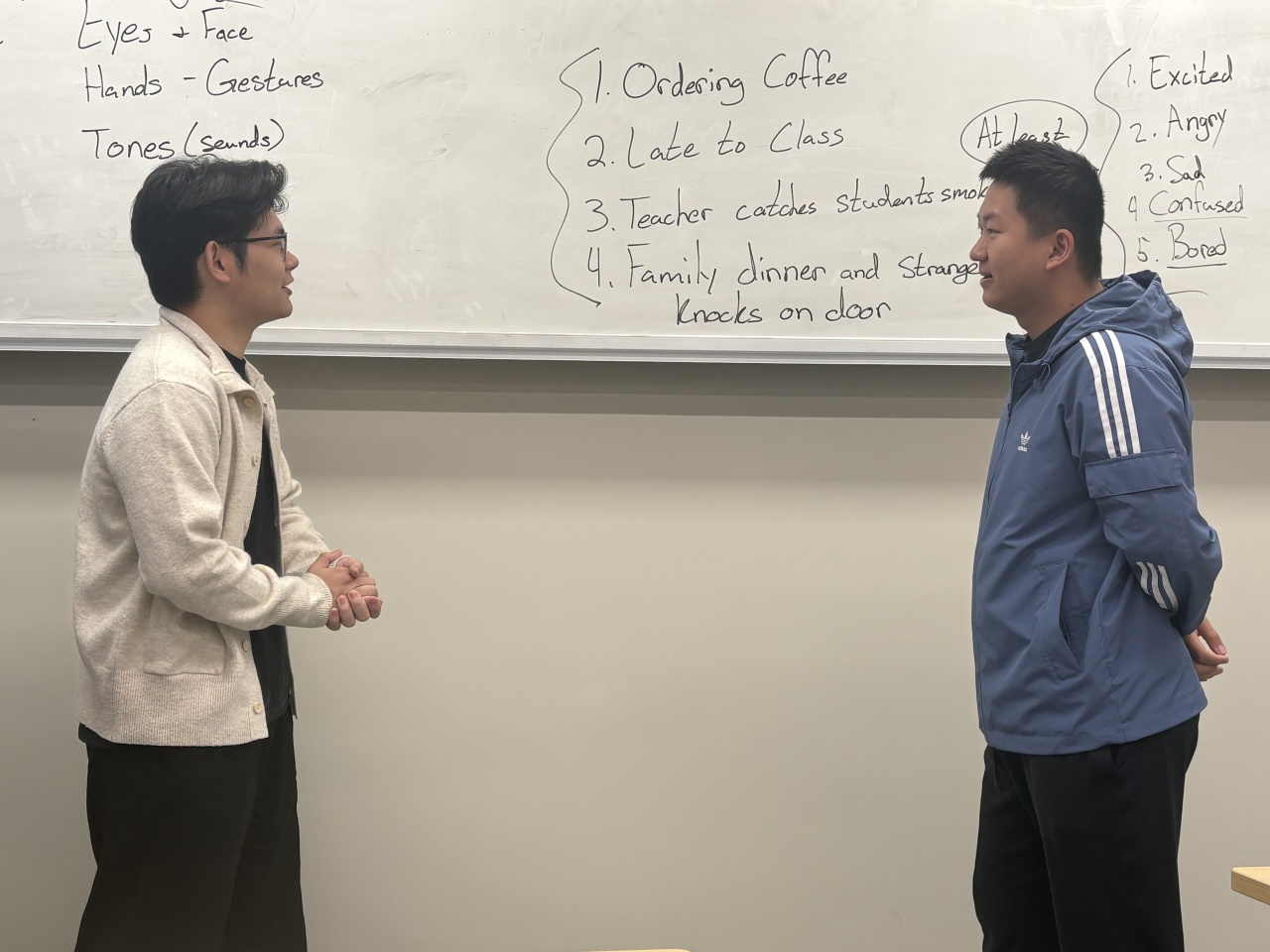
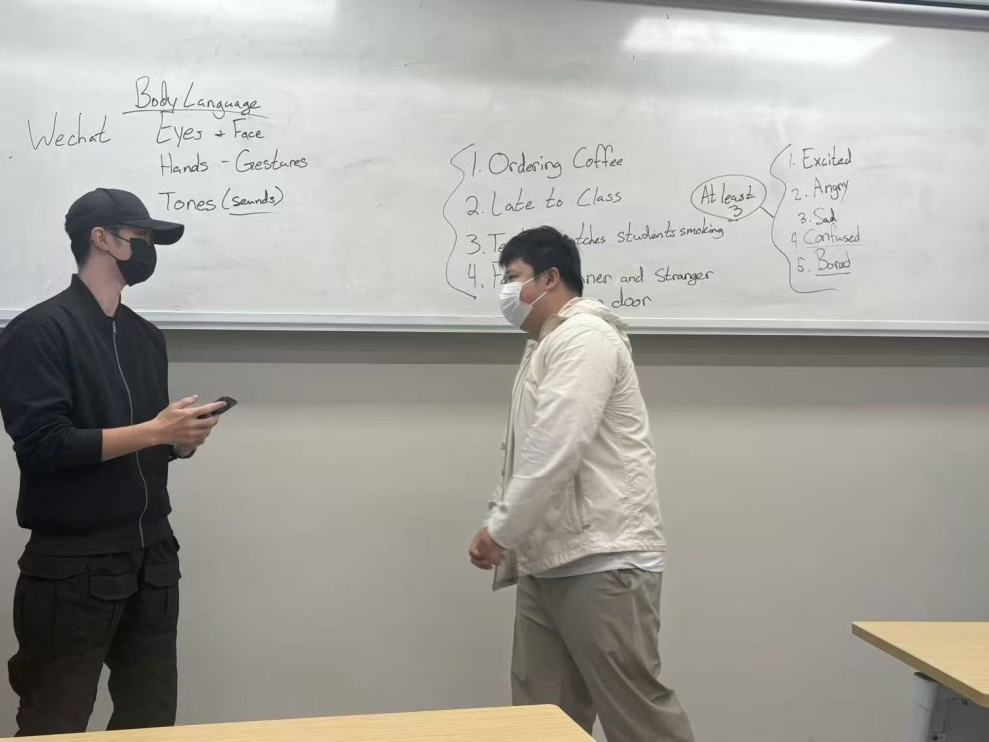
Students worked through a range of everyday scenarios, including ordering coffee, arriving late to class, and receiving an unexpected guest at a family dinner. Alongside these situations, they explored how emotions shape conversation, practicing how to convey excitement, anger, sadness, confusion, or boredom through tone and delivery. This work extended into a broader discussion of nonverbal communication, where students examined how eye contact, facial expressions, gestures, and tone of voice all contribute to the way a message is received.
Stories We Love:
Book Exploration, Personal Picks, and Cross-Cultural Shares
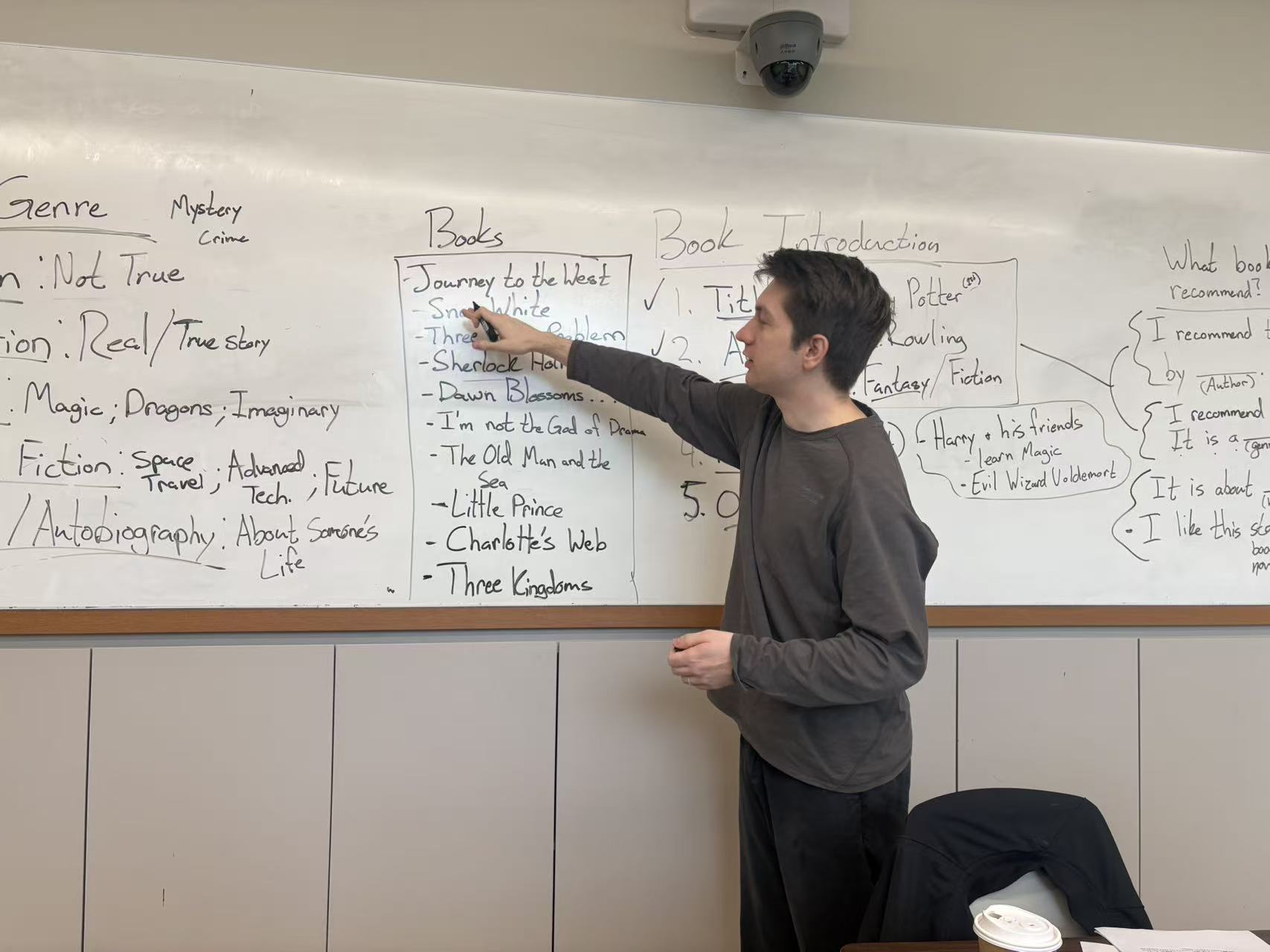
Our classes also incorporated a unit on books, storytelling, and personal recommendation. Students explored different genres, from fantasy and mystery to biography and fiction, and practiced introducing books by title, author, and plot. They then worked on recommending their favorite stories to classmates, explaining why a particular book appealed to them and what made it memorable. This allowed students to connect English practice with their own interests and cultural backgrounds, drawing on titles ranging from classic Western literature to well-known Chinese works.
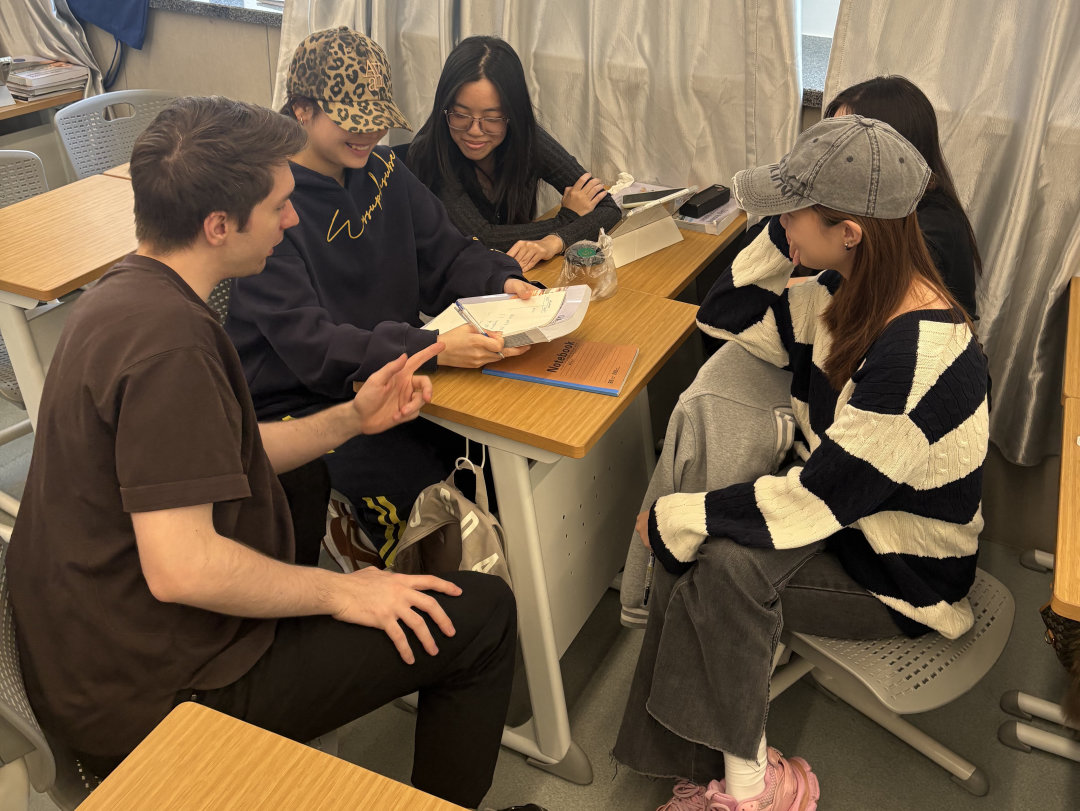
Throughout these activities, students have practiced comparing perspectives, supporting their opinions with reasons, and responding thoughtfully to their peers. Whether preparing a role-play, reflecting on how emotions shape conversation, or recommending a novel, they have learned to communicate with greater clarity and confidence.
Overall, this semester reflects students' growing fluency, creativity, and willingness to engage with English in meaningful ways. Through thoughtful preparation and genuine interaction, they are building the skills needed to communicate confidently in academic, professional, and everyday settings.
School of International Education
Written by: Eric Emborsky
Edited by: Rose Zhang
Reviewed by: Melody Lin